


Cryo Chambers Under Real-World Scrutiny: Do All Systems Truly Reach –110 °C?
How to Easily Test the Effective Temperature of Your Cryo Chamber
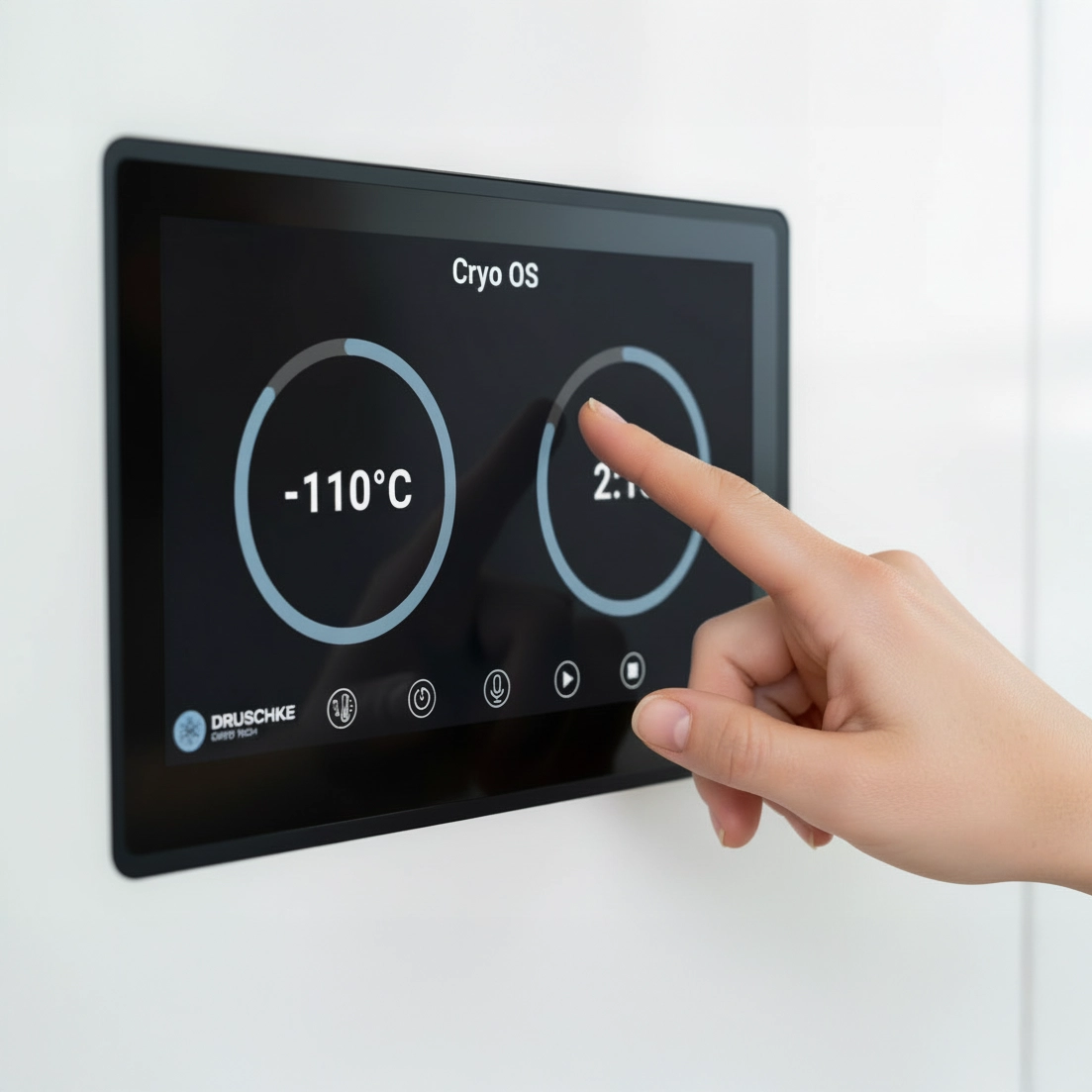
The temperature displayed on the screen conveys a sense of objectivity. –110 °C. Stable. Achieved. Yet the critical question is not what appears on the display, but which temperature actually reaches the body.
In whole-body cryo applications, the effective temperature plays a decisive role in determining intensity and overall outcome. If the target temperature is not achieved in a stable and homogeneous manner, the physiological response changes and the application falls short of its full potential.
Displayed vs. Effective Application Temperature
In technical practice, some systems measure air temperature only within the evaporator area or at a single sensor position. However, these measurement points do not necessarily reflect the actual temperature conditions throughout the entire usable space.
From a thermodynamic perspective, several factors influence the effective temperature, including:
– Air circulation and flow dynamics
– Insulation quality and thermal bridging
– Door opening cycles and associated convection effects
– Thermal losses during exposure
The decisive factor is whether the chamber maintains the target temperature consistently throughout the entire usable space under real operating conditions, rather than reaching it only locally or temporarily.
A Simple Practical Test (Physical Indicator Method)
For operators of cryo chambers, a straightforward physical test can provide an initial indication of performance:
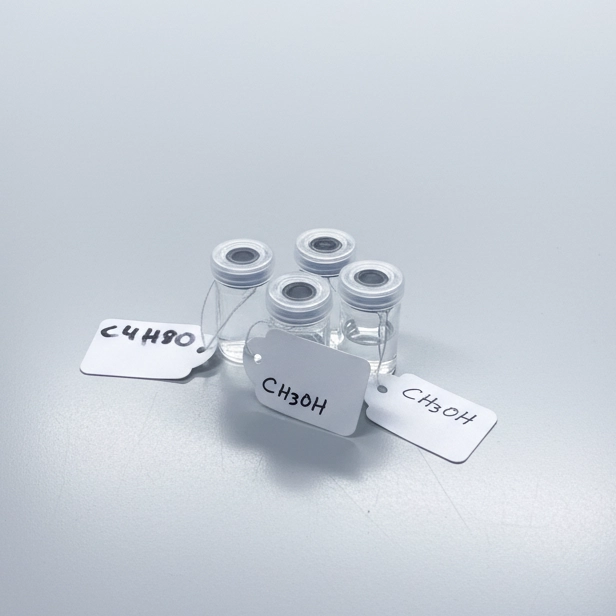
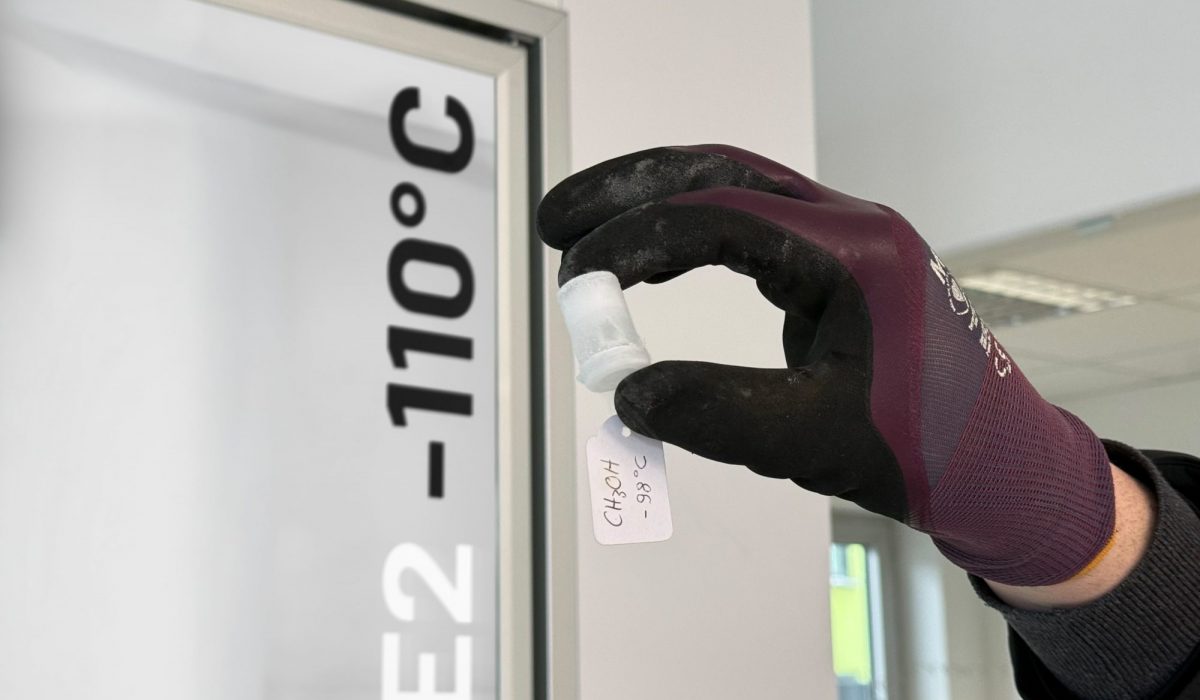
Methanol has a freezing point of approximately –98 °C and is commonly available through pharmacies. For the test, a small amount is placed in a suitable, cold-resistant, and securely sealed container and positioned inside the chamber once it has reached its target temperature.
After approximately 30 minutes, a clear physical conclusion can be drawn. If the liquid fully solidifies, it confirms that temperatures below –98 °C have been reached within the relevant exposure area. If the methanol remains liquid, it can be assumed that the effective temperature exceeds this threshold.
This method is simple, physically unambiguous, and can be performed without complex measurement equipment. While it does not replace professional calibration or multi-point temperature validation, it provides a clear indicator of whether critical temperature thresholds are actually being reached.
What Defines a High-Performance Cryo Chamber
A high-performance whole-body cryo chamber is not defined solely by its nominal target temperature, but by:
- Homogeneous temperature distribution throughout the entire usable space
- Stable and continuous achievement of the defined target temperature
- Measurable, reproducible, and verifiable performance data
Against this backdrop, we define consistently stable target temperatures as a core performance criterion. From the earliest stages of development, airflow design, sensor technology, insulation concepts, and control systems are engineered to ensure uniform cold exposure across the entire chamber.
In addition, our systems undergo regular performance checks to continuously verify the defined temperature targets.
Learn more about our cryo chambers